and songs of sparrow
of a drunken sky
Handfuls of salt I have thrown on my window. The wailing muses falter. Why do you knead your stubborn veneration? But it is only moribund. Imagination is understanding freed. Sundried clothes harden as if soaked in glue. Like a bird borrowing its feathers.
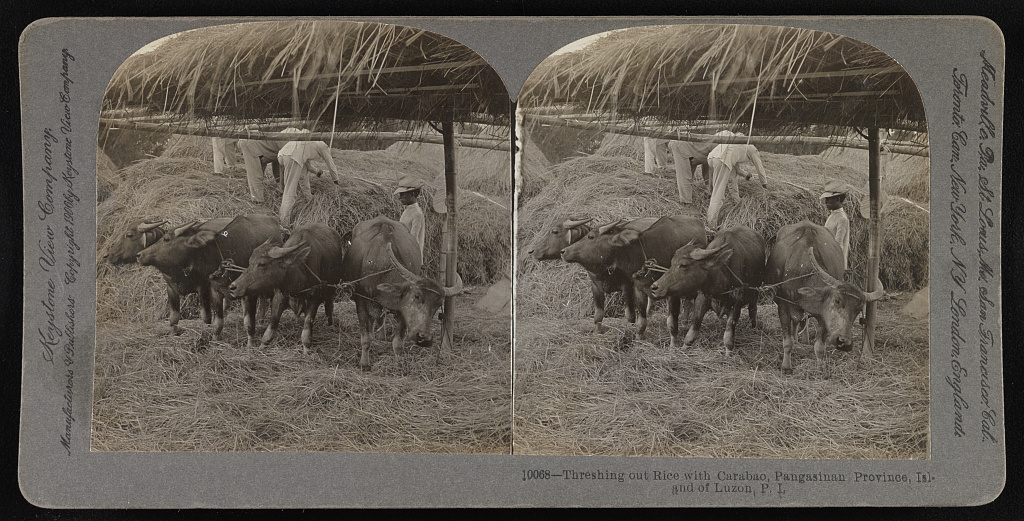
Among all the natives of these islands, the Pangasinanes appear to me to be the most active and industrious, very energetic in producing profit and knowing how to make a scantly capital increase in all possible manner.
Become the ridge of Parnassus. Soil and skin parched, cracked. Even silence has run dry. And so we are as leaves, torn. Liquified sentiments trickle. Cradled since last night. Blade hacks a step of mud. To be pregnant with countless questions. Bring out the forgotten laundry. Briefly, spilling desires of imagination undresses. Rope that has binded, until now left uncut by his tongue, vanishing as he examines the ceiling. My soul remains restless, rummaging for nothing. Embraces you even without taking leave. I left to look for my tongue that I have forgotten for so long was mine. To depart is never easy—this is true. Because stars have strayed, gone is the placid night of my visions. Come in my darkened room. You are the poem I will never finish.
References
“Renacimiento” and its English translation draws from the following references: “Balikas na Salita,” “Dakat,” and “Anlong” by Alma Ariola-Nepascua; Provincia de Pangasinan, 1819 by Ildefonso de Aragon; “Sonito 178,” “Sonito 188,” “Sonito 129,” and “Sonito 283” by Santiago Villafania; “Bisita,” “Sikaton Agla Ompawil,” “Abalang,” and “Lingwanan” by Gloria Alesna; “Tongtong nën Lea,” “Mamidwan Ibutay na Agëw,” “Ëras na Laman; Ëras na Kanunotan,” and “Pluman Makabilay” by Lexon Castillo; “Pangimaton,” “Inaro Da’y Musia,” and “Nambabangil a Bonikëw” by Melchor Orpilla. The photograph is originally from the Keystone View Company and is now in the public domain.